
Ten years ago, Western Asia was seen as a minor player in international education. Today, the landscape has changed. The UAE, Qatar, Saudi Arabia, Turkey, and Egypt have emerged as educational hubs where international students seek not just a diploma, but access to markets that are growing faster than most European ones. In 2026, these countries are not competing with the US or the UK — they operate on their own terms.
United Arab Emirates: A Tuition‑Driven Hub with British and Australian Roots |
 |
|
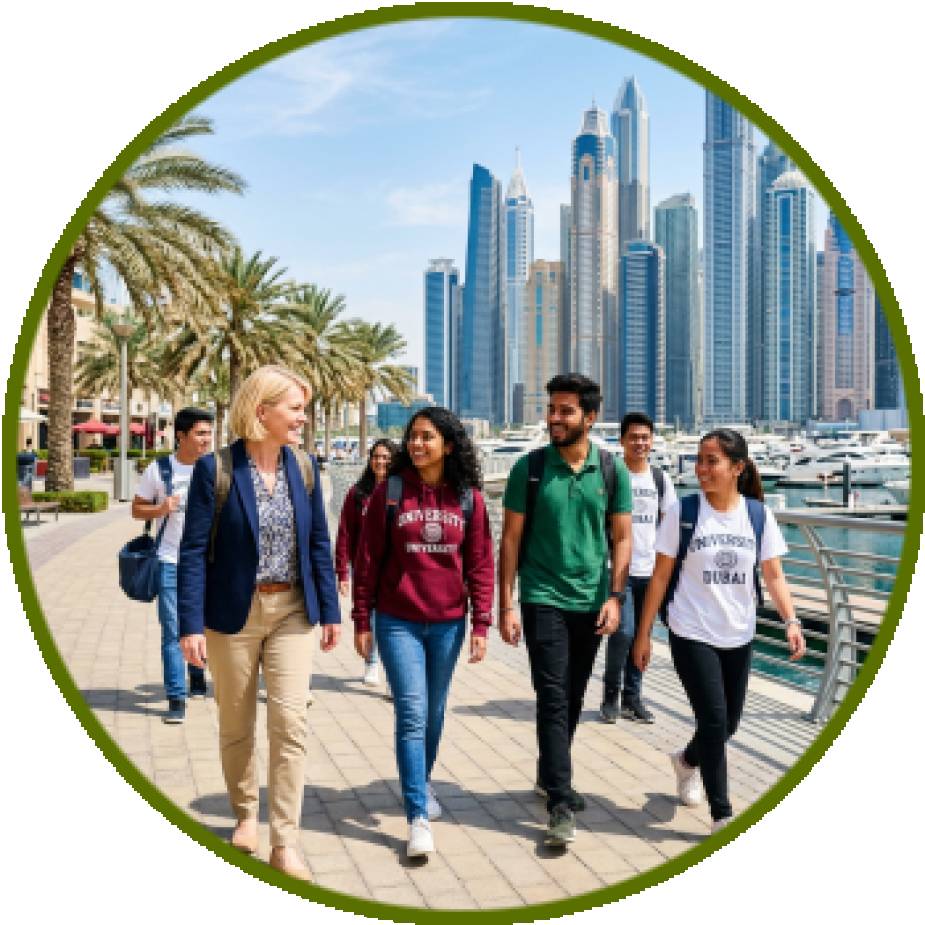
The UAE was a pioneer in establishing international branch campuses in the Middle East. Today, Dubai and Abu Dhabi host dozens of branch campuses of British, Australian, and Indian universities — from the University of Birmingham Dubai to Murdoch University and the University of Wollongong in Dubai. Tuition fees range from AED 50,000 to AED 180,000 per year (approximately $13,600–$49,000) — close to UK prices, but without the travel costs and with simpler visa logistics. In 2026, the UAE continues to offer its "Golden Visa" system: graduates with a GPA above 3.5 (for Class A universities) or 3.8 (for Class B) can obtain a ten‑year residency visa without a sponsor. This turns the country from a place to get a degree into a platform for a long‑term career. Universities sponsor student visas, and scholarships can cover up to 100% of tuition. |
 |
Turkey: A Bridge Between Europe and Asia — with Full Scholarships |
|
Turkey occupies a unique position — geographically between Europe and Asia, and academically between Western standards and affordable costs. The government's Türkiye Scholarships programme covers tuition, accommodation, health insurance, a monthly stipend, and even flights. Bachelor's students receive 4,500 Turkish lira per month; master's students — 6,500; PhD students — 9,000. In 2026, applications were accepted from 10 January to 20 February. Turkish universities offer a growing number of English‑taught programmes — from engineering to international relations. For those seeking European‑quality education at a much lower cost than in the West, Turkey remains an attractive option. |
Qatar: American Quality in a Single Location |
 |
|
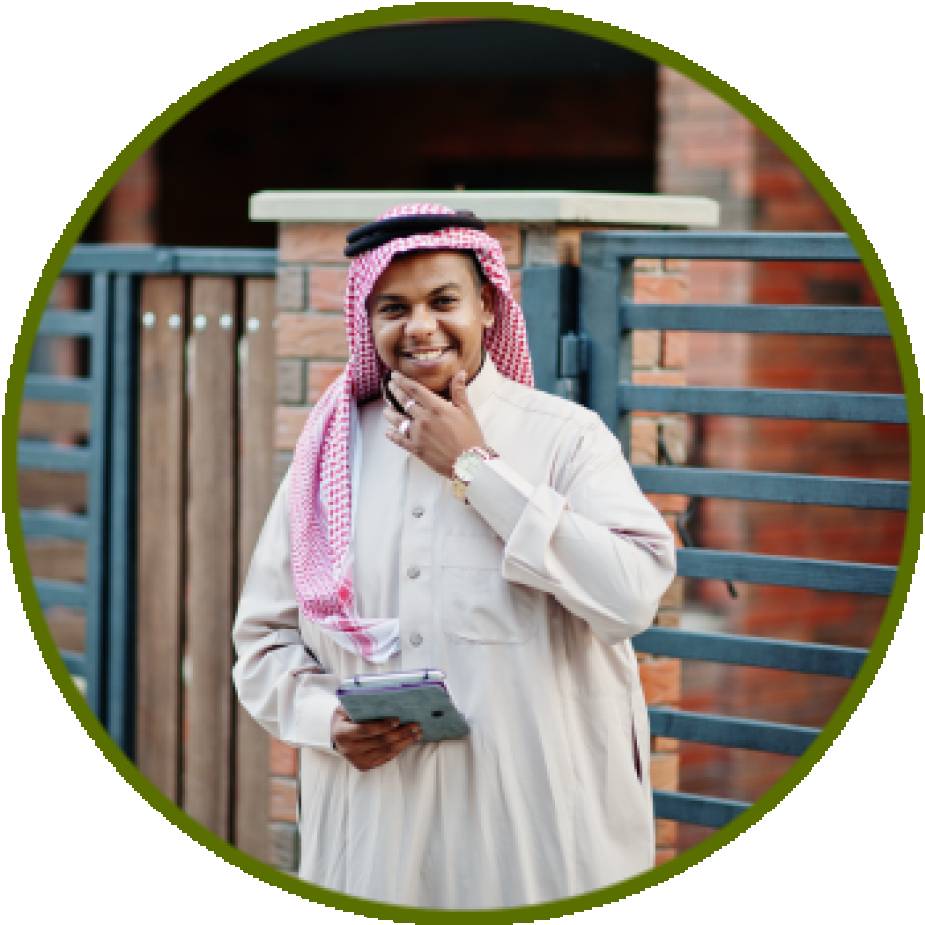
While the UAE favours British and Australian models, Qatar has chosen the American path. Education City, the Qatar Foundation campus, hosts eight international universities: Carnegie Mellon, Georgetown, Northwestern, Texas A&M, Virginia Commonwealth, Weill Cornell, HEC Paris, and Hamad Bin Khalifa University. Qatar's main advantage is affordability. Many students receive full scholarships covering tuition, accommodation, and living expenses. In 2026, Education City graduated over 1,100 students — 60% of whom were women. Carnegie Mellon Qatar, for example, educates approximately 450–900 students from 61 countries. Qatar offers something that's hard to find anywhere else: an American education in an environment where universities are physically located on the same campus, and students can enrol in each other's courses. This is an educational cluster. |
 |
Saudi Arabia: Government Scholarships and Record Numbers |
|
Saudi Arabia takes a different approach — through a state‑managed platform. In 2026, the "Study in Saudi Arabia" programme hosts over 200,000 international students. The government offers fully funded scholarships at 27 public universities. Universities are also opening their own platforms for international admissions, with the Ministry of Education centrally coordinating the process. Saudi Arabia is building its own model — national universities with international programmes instead of foreign branches, and state scholarships instead of fee‑based education. And it works: the country has become one of the largest receiving markets in the region. |
Egypt: The Arab World's Educational Giant — with Growing International Intake |
 |
|
Egypt is the region's largest player in terms of universities and student numbers. In 2026, Egypt continues to attract international students through its "Study in Egypt" platform, which centralises applications for all public universities. Cairo University reported a 38.4% increase in international undergraduate students — from 24,474 in 2023/24 to 33,872 in 2025/26. Overall, Egyptian universities are actively enrolling international students. Popular fields include medicine, engineering, IT, and the natural sciences. At the same time, tuition and living costs in Egypt remain low by both regional and global standards. |
Each of the five countries has its own niche.
The UAE — for those who want a British or Australian education in a global business hub, are willing to pay for it, and are considering long‑term stay through the Golden Visa.
Qatar — for those who want a high‑quality American education with a good chance of full funding, in a compact but highly competitive environment.
Saudi Arabia — for students seeking fully funded education within a state system with strong domestic career prospects.
Turkey — for those who want European‑style education at an affordable price, with the possibility of full state funding and proximity to Europe.
Egypt — for students on a tight budget looking for recognised medical and engineering programmes in the Arab world's largest education system.
All five countries share one thing — they are investing in education as a tool for economic diversification. In 2026, this is a fully‑fledged alternative to Western destinations — with different pricing, different funding models, and different career paths. While Europe and North America tighten visa rules and raise costs, Western Asia is opening its doors wider — with a clear sense of which students it wants to attract.
Copyright © 2026 Waybridge Solutions